
Insights
Machinery & Equipment Appraisal Guides & Insights
Expert guidance on machinery & equipment valuation — what drives value, when you need a USPAP-compliant appraisal, and how the process works.
Latest posts
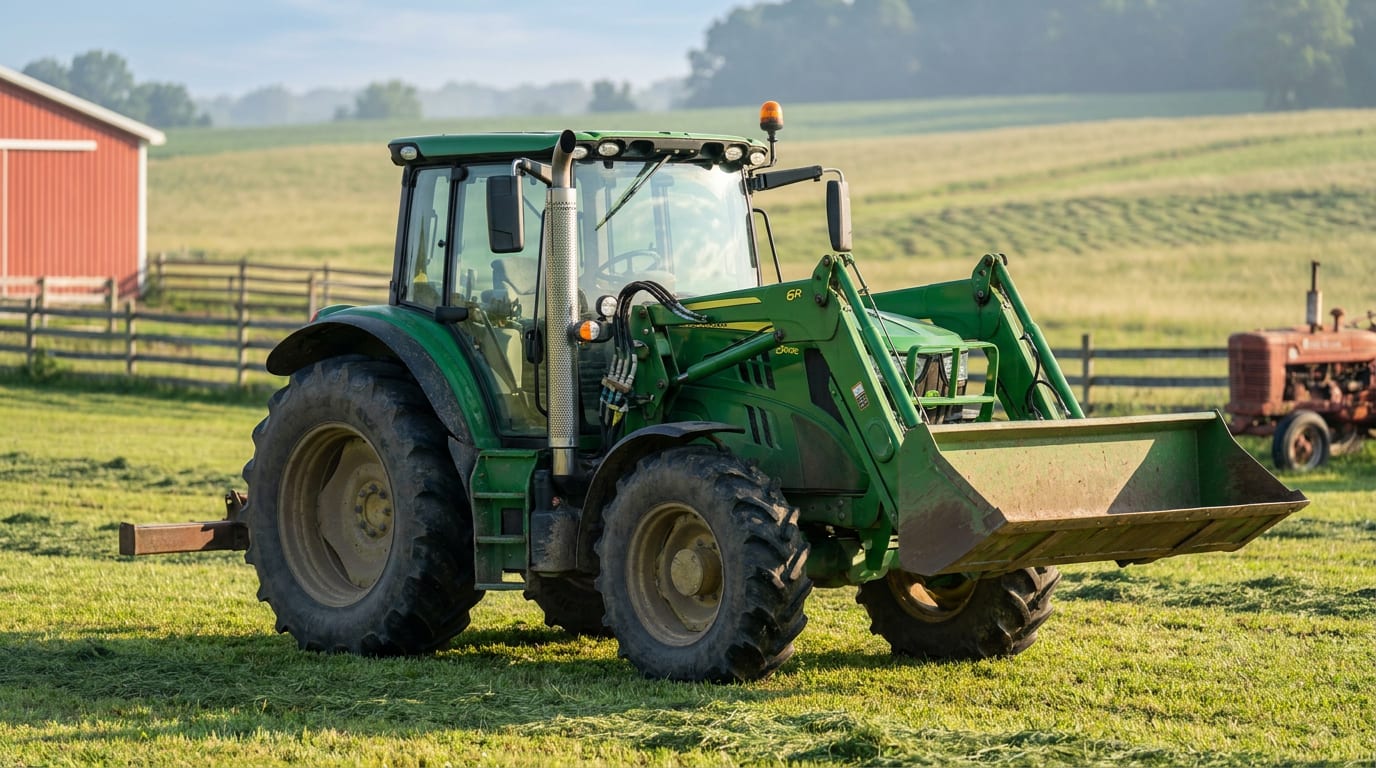
Tractor Insurance Appraisal: Actual Cash Value vs Scheduled Value for What Your Tractor Is Worth
Tractor insurance appraisal actual cash value explained: how carriers pay under ACV, replacement cost, and agreed or scheduled value, and how documented evidence of value helps you avoid underinsurance and claim disputes.
Read more →
Why the Effective Date of a Tractor Appraisal Can Decide Your Divorce Case
The effective date of a tractor appraisal, not the inspection date, determines which day's market sets its value in a divorce case. This guide explains why that date shifts by state and how the wrong one can sink your valuation in court.
Read more →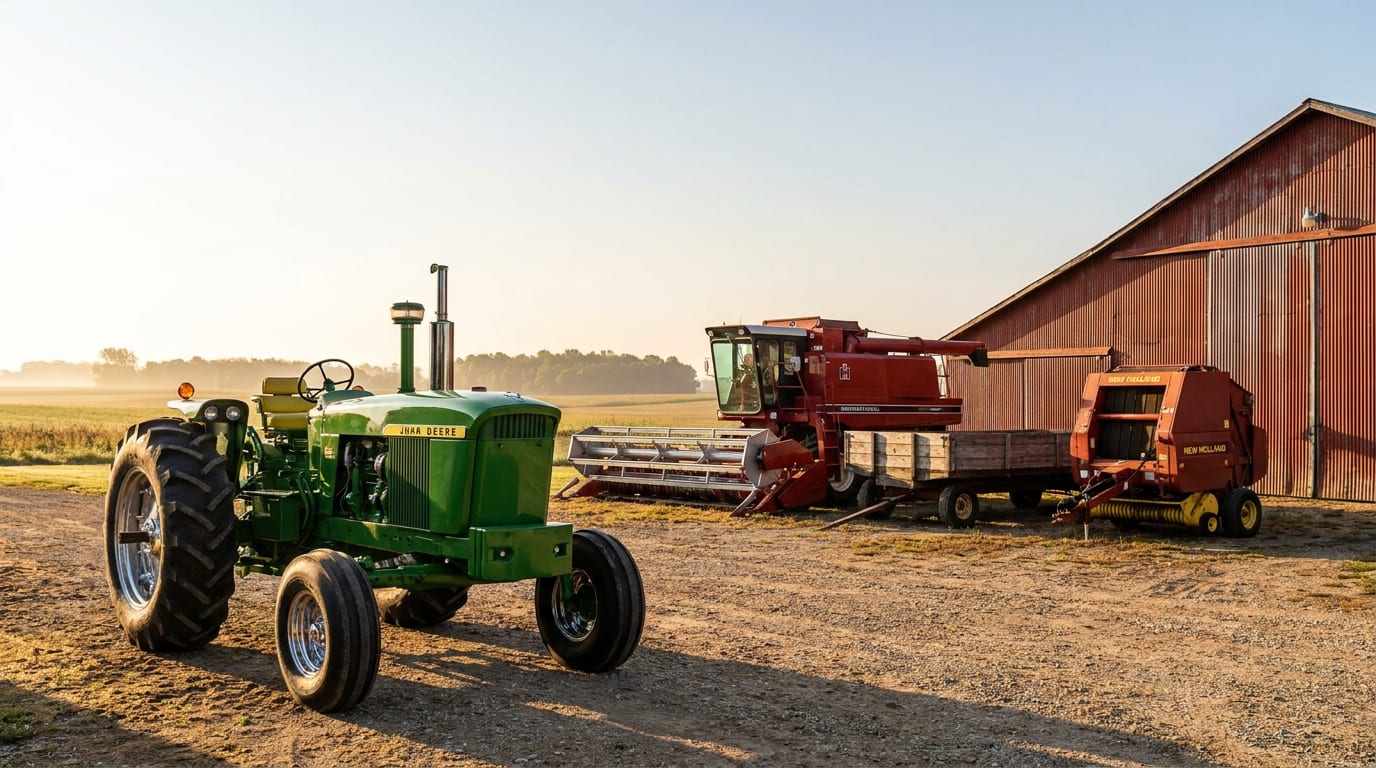
Itemizing a Farm Equipment Appraisal for Form 706 Estate Tax Filings
A farm equipment appraisal for Form 706 must value each tractor, combine, and implement separately as of the date of death, not lump the fleet into a single guess. This guide walks executors and estate attorneys through what Schedule F requires and how a defensible line-item schedule is built.
Read more →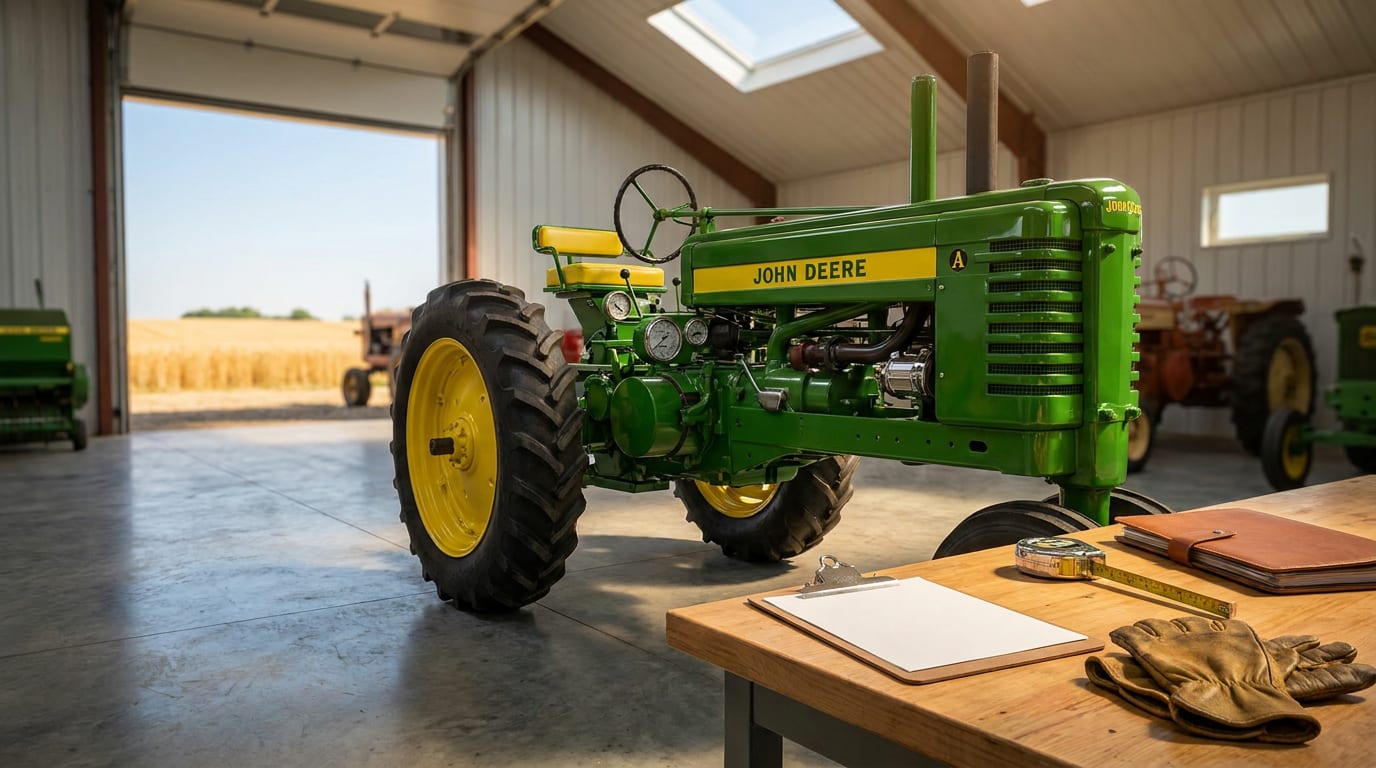
Qualified Appraiser vs Dealer Quote: What the IRS Actually Requires for a Tractor Donation
A dealer trade-in quote and an IRS qualified appraisal are not interchangeable once a donated tractor's value crosses $5,000. Here's what Treasury Regulation 1.170A-17 actually requires, and why the wrong document can cost a donor the entire deduction.
Read more →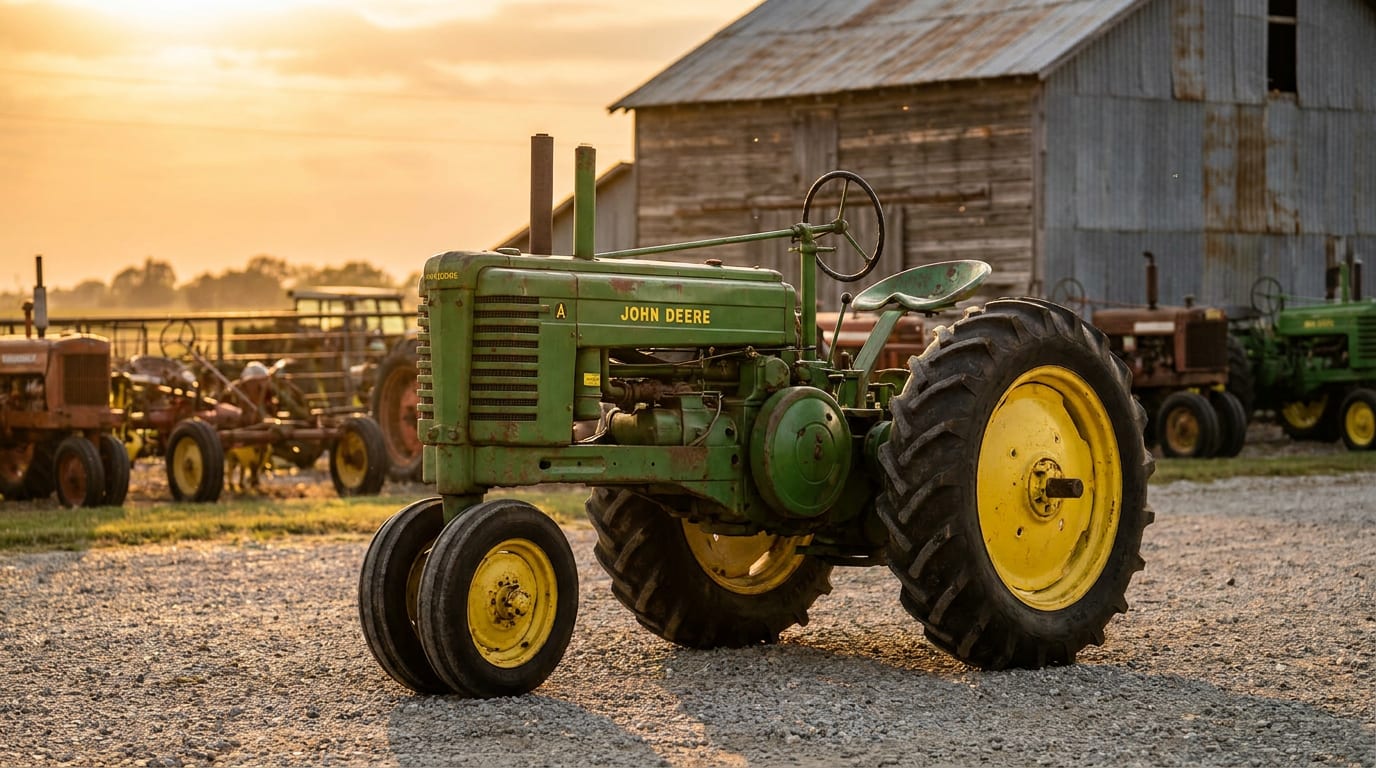
Fair Market Value vs Auction Price: Why Your Tractor Won't Appraise for What It Sold For
An auction hammer price reflects one sale under one set of conditions, not the willing buyer, willing seller standard the IRS, courts, and lenders require. This guide explains why a tractor's appraised fair market value can land far from its auction result, and what a defensible appraisal has to account for.
Read more →
Tractor Depreciation Value: Why Hours Matter More Than Age Alone
Tractor depreciation value doesn't move in a straight line, and age alone won't tell you what a used tractor is worth. This guide covers the real front-loaded depreciation curve, why engine hours often matter more than calendar age, and a worked example comparing two same-age tractors with very different appraised values.
Read more →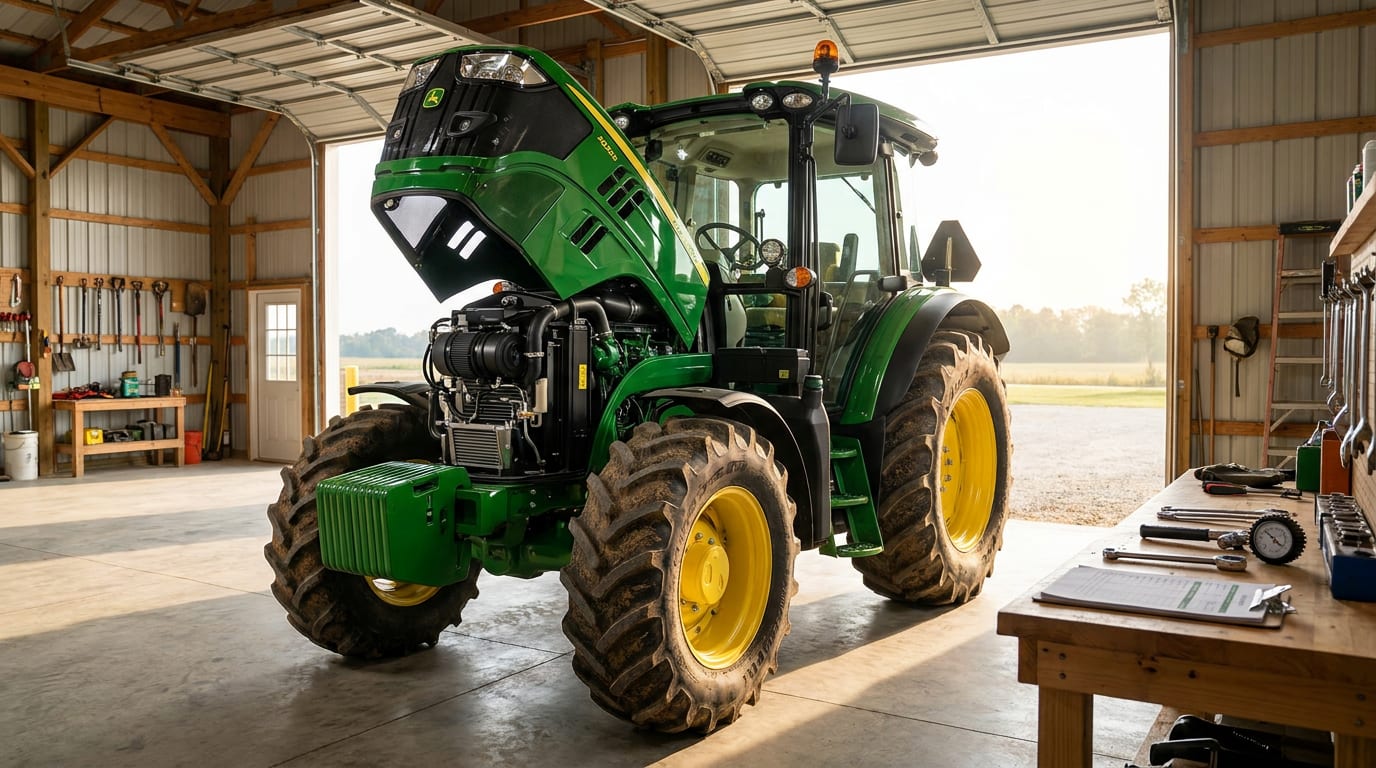
What Makes a Tractor Appraisal USPAP-Compliant for Legal and Tax Use
A USPAP-compliant tractor appraisal follows specific personal property standards for scope of work, valuation approach, and reporting that a casual value estimate skips entirely. This guide explains what those standards require and exactly when the IRS, courts, and lenders make USPAP compliance mandatory.
Read more →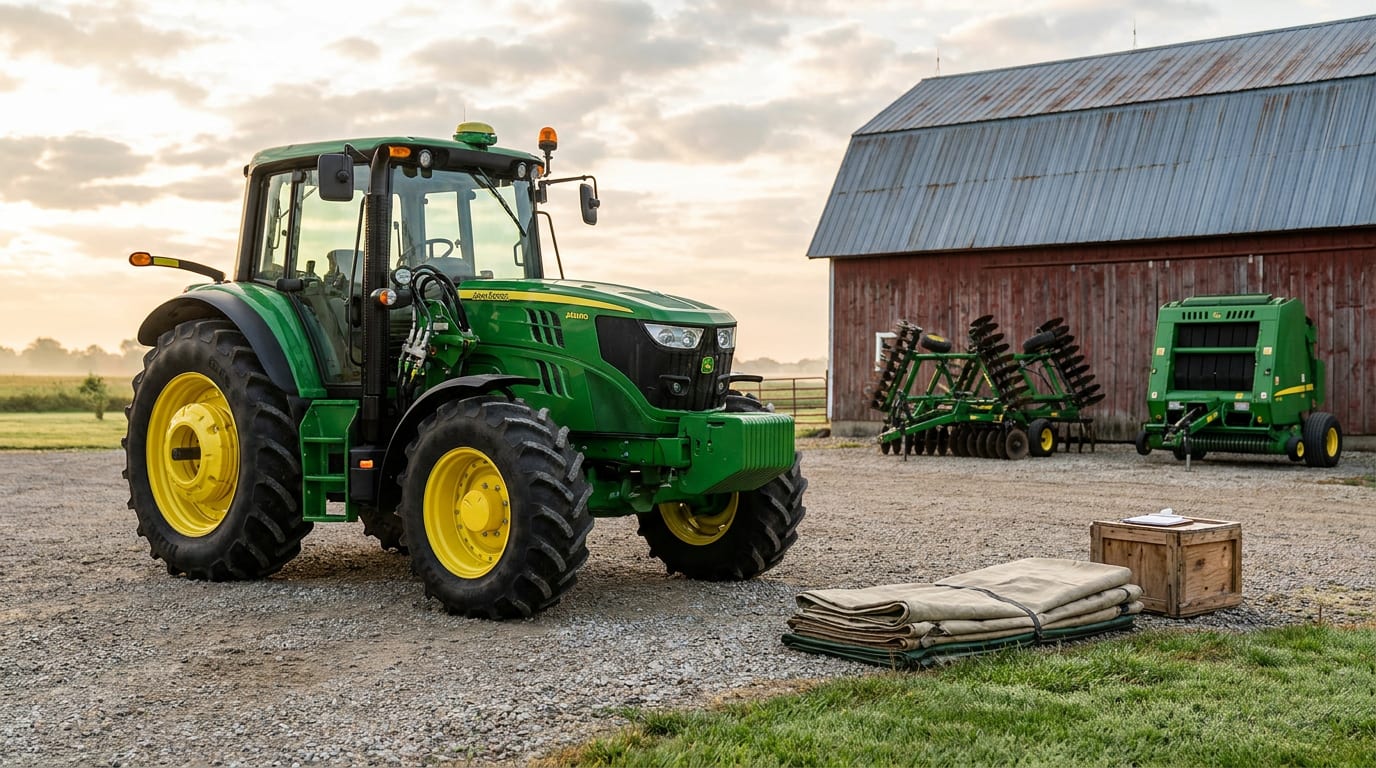
How a Tractor Donation Appraisal Supports Your IRS Charitable Deduction
Donating a tractor to an FFA chapter or ag program can trigger the IRS $5,000 qualified appraisal requirement. Here is how the threshold, Form 8283 Section B, and the aggregation rule work together to protect your deduction.
Read more →
Tractor Appraisal for Estate and Probate: A Guide for Executors
A tractor appraisal for estate purposes establishes the fair market value the probate court or the IRS requires, valued as of the date of death rather than the appraisal date. This guide walks executors through the inventory duty, the effective-date rule, and what a defensible report needs to include.
Read more →
How to Estimate the Fair Market Value of a Used Tractor
The fair market value of a used tractor is rarely the number on the dealer's sign or the auction hammer price. This guide walks through how appraisers weigh hours, condition, configuration, and regional demand to reach a number that holds up under scrutiny.
Read more →